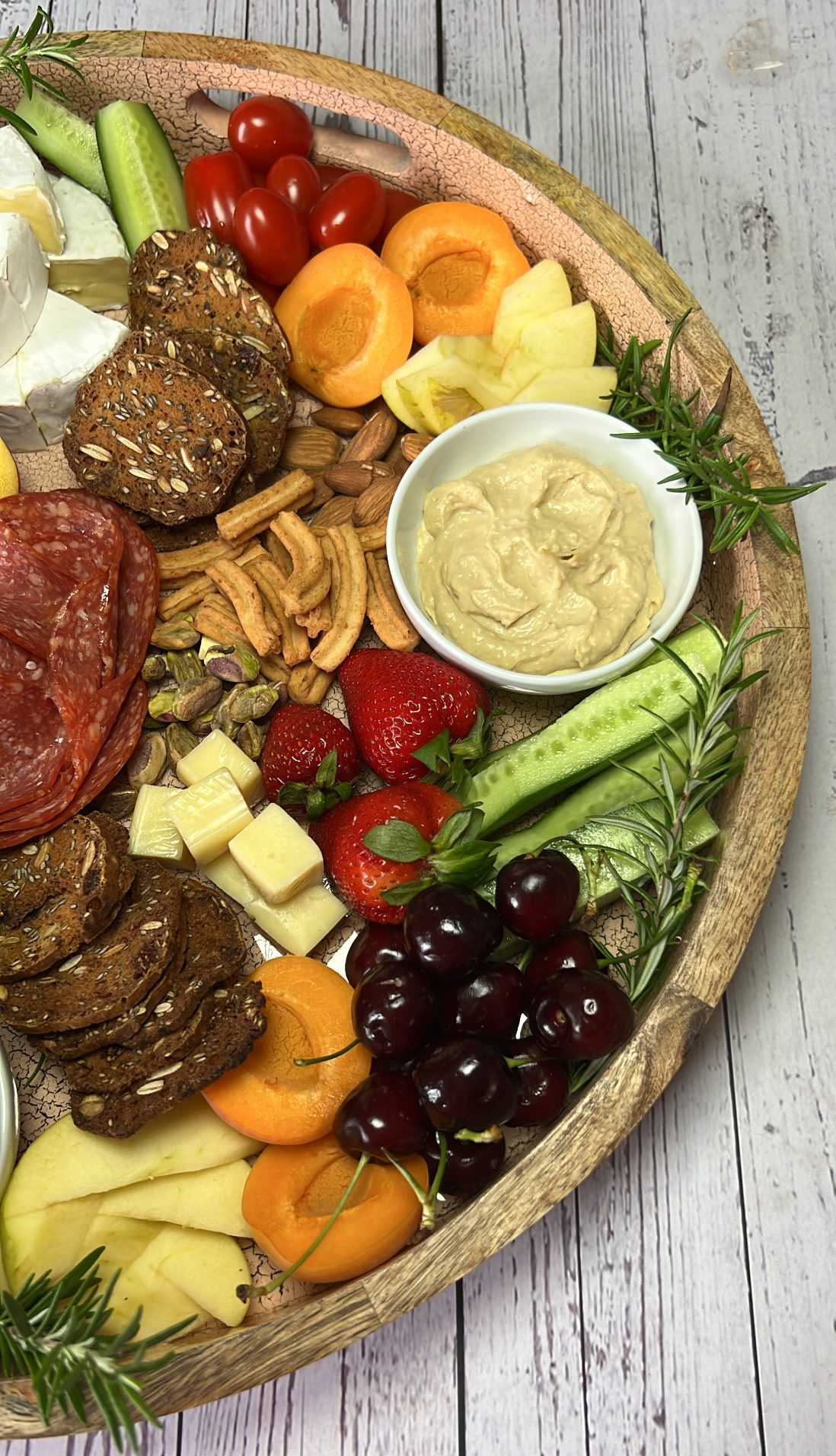
Avoid labelling food as ‘good’, ‘bad’, ‘clean/cheat food’ ‘guilt-free’
Here’s WHY
- Promotes a Balanced Approach: Labelling foods as good or bad can lead to a black-and-white mentality around eating. This can result in extreme behaviours, such as restricting certain foods completely and then overindulging in them later. A balanced approach to eating involves incorporating a variety of foods in moderation.
- Reduces Guilt and Shame: Calling certain foods “guilt-free” or “cheat foods” can create feelings of guilt and shame when indulging in foods labelled as bad or cheat foods. This emotional relationship with food can be detrimental to overall mental well-being.
- Avoids Moral Judgment: Associating morality with food choices can be harmful. People may begin to judge themselves or others based on what they eat, which can lead to negative self-esteem and body image issues.
- Encourages Mindful Eating: Labelling foods can prevent you from truly listening to your body’s hunger and fullness cues. Mindful eating involves being present while eating and making choices based on internal cues rather than external judgments.
- Supports Long-Term Success: Sustainable eating habits are about consistency and moderation rather than extreme restriction. Labelling foods can contribute to a cycle of yo-yo dieting, where individuals move back and forth between strict diets and overindulgence, ultimately hindering long-term success.
- Respects Individual Preferences: Everyone’s dietary needs and preferences are different. Labelling foods as good or bad ignores the fact that what works for one person might not work for another. A personalised approach to eating is more effective and sustainable.
- Fosters a Positive Relationship with Food: The way we perceive food affects how we interact with it. By avoiding labels, you can focus on nourishing your body and enjoying food without feeling guilty or anxious.
- Focuses on Nutritional Value: Instead of assigning labels, it’s more helpful to consider the nutritional value of foods and how they contribute to your overall health. This encourages informed decision-making rather than emotional reactions to labels.
- Prevents Obsession and Restriction: Labelling foods as “clean” or “cheat” can lead to obsessive thoughts about food and potential restriction of certain food groups. This can lead to nutritional imbalances and negative health consequences.
- Promotes Flexibility: A healthy eating pattern should be adaptable to different situations and circumstances. Avoiding labels allows for flexibility and enjoyment in social settings, holidays, and special occasions.