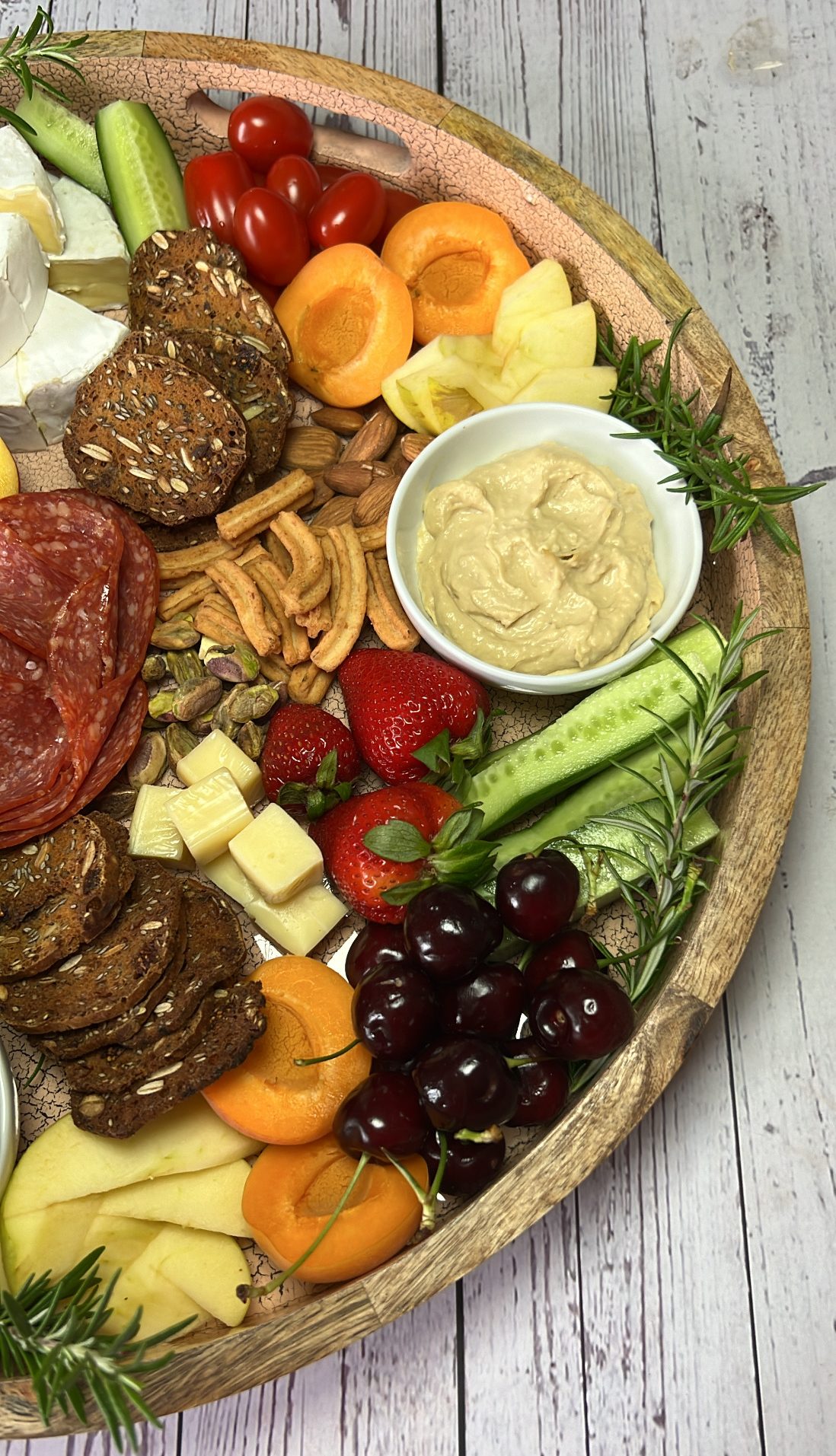
The Language We Speak Shapes the Ways We Eat

Written by:

Younia

Published: 28 February 2025

The way you talk about food matters. WHY? 

Because language can have a powerful effect on your relationship with food, your thoughts about it and yourself, and your behaviours. Likely without you even realising it.

Some common ways I hear clients and people around me speak about food and how we can try to look at food more objectively – 

“I was ‘bad’ today” === You ate dessert today

“I have been eating junk too much” === You have been eating certain snacks and foods more than usual

“I binged all weekend” === you enjoyed little more or different foods on weekend

“Yesterday was a ‘cheat’ day” === you ate out at restaurant yesterday and enjoyed little dessert

“I need to start eating ‘clean’” === you are eating food not cocain, your food is already clean

Here are the takeaways:

  • Food is neither good nor bad. FOOD IS FOOD
  • When you label food or yourself as such, invokes shame and the desire to punish yourself
  • When you refer to certain foods as ‘bad’, ‘clean’, juck’ or something you shouldn’t have, you give it the ability to control you
  • Even though you might not be aware of it, these words have an impact. You’re subconsciously reinforcing negative connotations toward food.
  • Naturally, you will restrict or limit your consumption of a certain food if you consider it to be “bad.”
  • The more you restrict yourself, the more you’ll end up “giving in” and overeating.

Do this instead:

  • Avoid labelling your foods with such words – “bad,” “junk,” “crap,” “cheating
  • When you do that, food just becomes food. It loses its power, it’s no longer off limits, and you’ll break the cycle of overeating and restricting.
  • If you make food choices that don’t align with your goals, you can allow yourself to enjoy the experience and then get back on track the next day or meal.
  • If you make food choices that don’t align with your goals, it does not mean the food was bad. It does not mean it was bad of you to eat it. It does not reflect your morals or your worth as a human being. It means you are a human being and you can enjoy all foods at any time. 
6 reflective questions to ask yourself before starting any new diet

💭 1. “Can I see myself eating this way a year from now?”👉 If the answer is no, it’s likely a short-term fix—not a long-term habit. 💭 2. “Am I making this change out of self-care or self-punishment?”👉 Sustainable changes come from...

It’s Not a Time Issue — It’s a Priority Issue

We’ve all heard (or said) it before: “I just don’t have time to cook healthy meals.” But here's the thing: If you're willing to wait 5–10 minutes for food at a takeaway shop but claim you don't have 5–10 minutes to prepare a nutritious meal at home, then it's not a...

You Don’t Need a New Year’s Resolution—You Need a “Can-Do” Mindset and Good Habits

As the New Year approaches, the buzz around resolutions gets louder. People start jotting down ambitious goals, hoping this will be the year they finally get fit, eat better, save more, or chase that long-lost dream. But how often do these resolutions last beyond...

Relying on willpower to lose weight or to be healthy is a losing battle – Here is why

What is willpower? Willpower is simply self-control — the ability to resist the temptation of giving into immediate gratification. It’s a finite thing. Meaning it slowly drains as the day/week goes on. Have you ever had days where you feel like you’re on top of...

5 Commonly asked questions – with dietitian responses

Question: Are certain fruits completely off-limits for people with diabetes? Answer: No specific fruit is off-limits for individuals with diabetes. While fruits do contain natural sugars, they also provide essential nutrients, fibre, and antioxidants. When consumed in...

Nutrition During Ramadan, With Meal Ideas

Ramadan is the ninth month of the Islamic calendar. This is a time when many Muslims choose to fast every day between sunrise and sunset for religious and spiritual reasons. Ramadan is an important time of year for Muslims and is part of one of the five pillars of...

6 Small Strategies to Make Sustainable Nutrition Changes

When it comes to improving our eating patterns and nutrition and overall health, it’s easy to feel overwhelmed and think that we need to make big, drastic changes to our diet, or we have to give up our favourite foods.  But the truth is,  if we can’t sustain a...

AVOID labelling food as ‘good’, ‘bad’, ‘clean/cheat food’ ‘guilt-free’

Avoid labelling food as ‘good’, ‘bad’, ‘clean/cheat food’ ‘guilt-free’ Here’s WHY Promotes a Balanced Approach: Labelling foods as good or bad can lead to a black-and-white mentality around eating. This can result in extreme behaviours, such as restricting certain...

6 ways to assess whether your nutrition plan is working for you

You have more energy One of the first signs of a successful nutrition plan is improved energy levels. If you find yourself feeling more energised throughout the day, with reduced fatigue and enhanced mental focus, it suggests that your body is receiving the necessary...
Younia Shabo

3 Ways to Make Building Healthy Eating Habits

3 ways to make Building healthy eating habits and breaking bad habits can be challenging, but with consistent effort and a few strategies, it’s possible to make positive…